
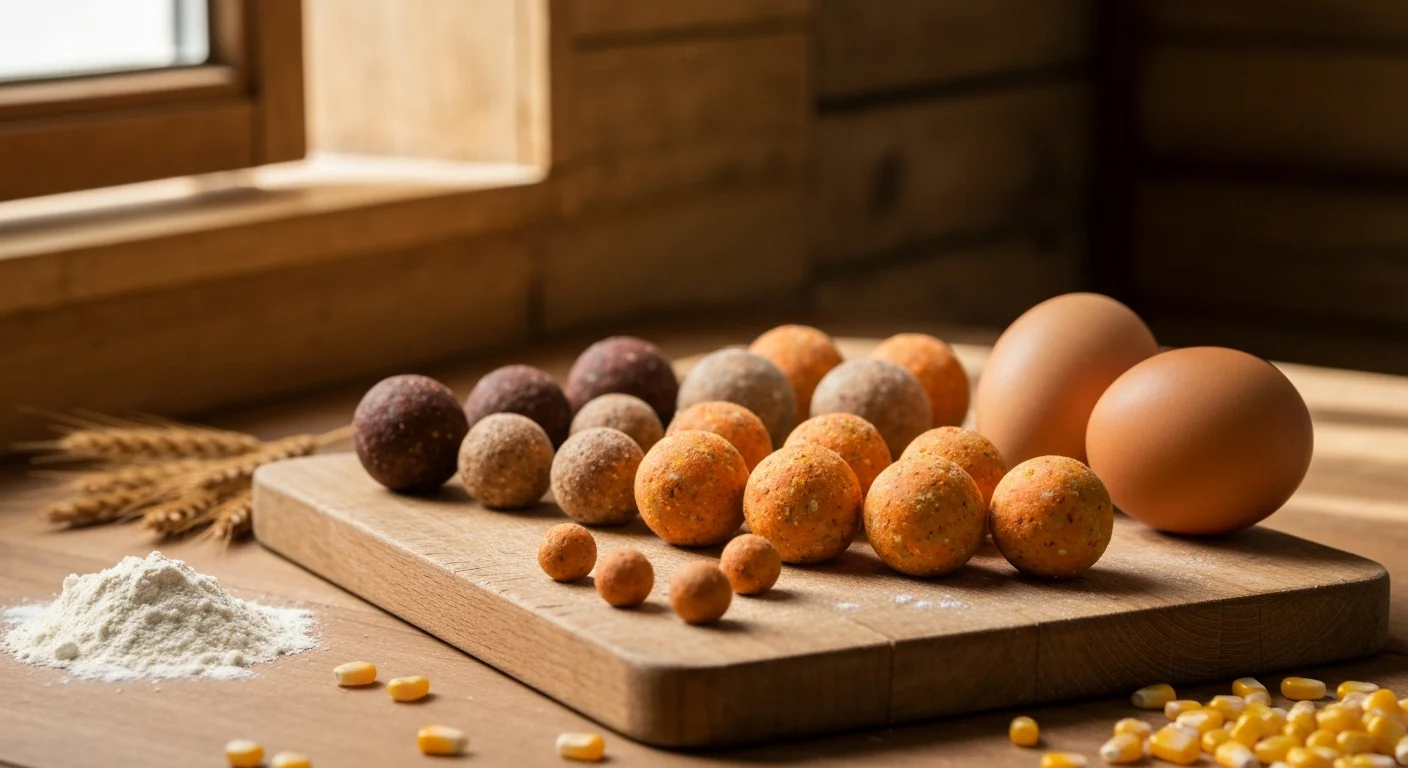
The basic ingredients for economical boilies
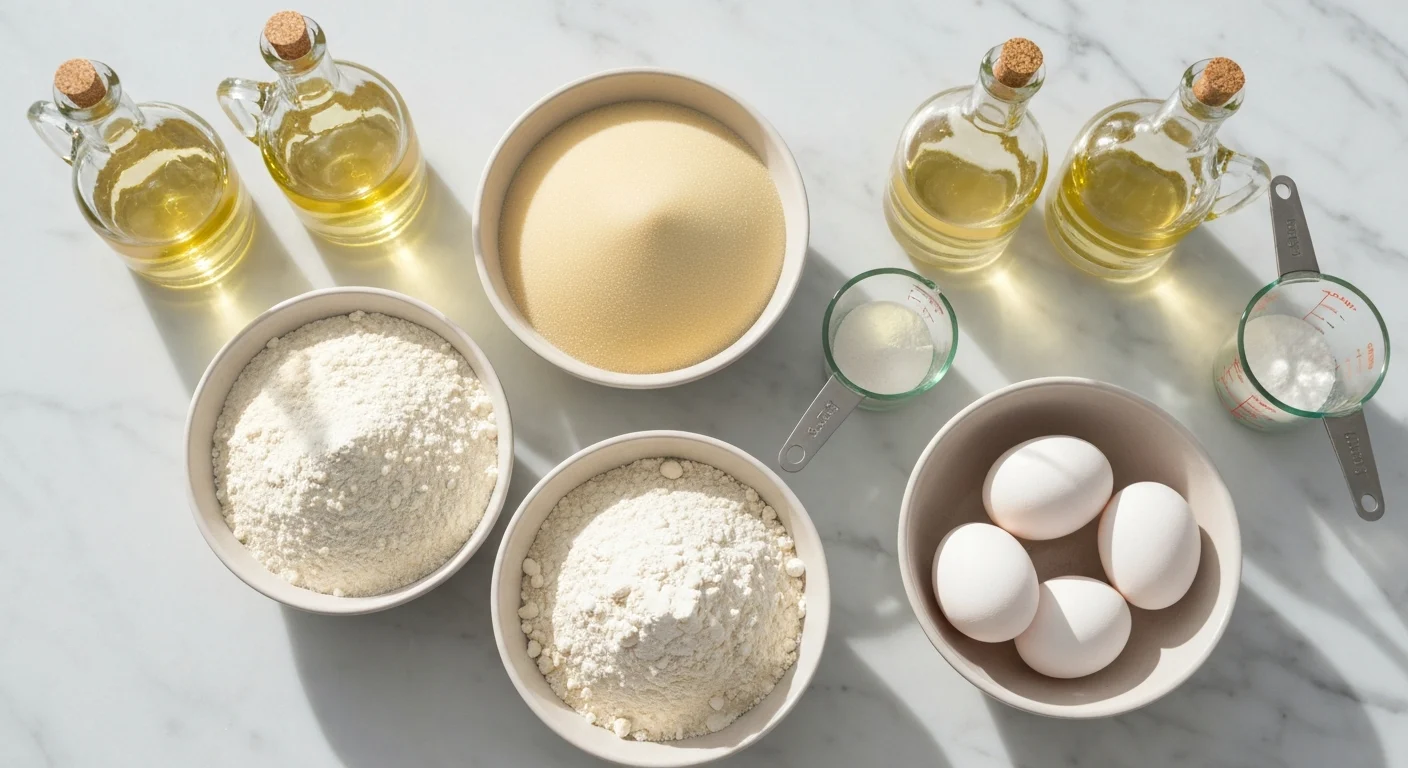
Making your own carp bait is one of the best ways to drastically reduce your fishing budget. Where a kilo of commercial boilies can cost between 8 and 15 euros, homemade production generally comes to between 2 and 4 euros per kilo, depending on the chosen ingredients.
The secret to successful production lies in choosing simple yet effective ingredients, available in most food stores or agricultural cooperatives.
Flours and bases: the foundation of your boilies
The semolina is the essential base ingredient to start with. Inexpensive and easily found, it provides excellent cohesion to your mixes. Expect to use about 40% of your total mix. Corn flour, often overlooked, adds an attractive colour and interesting texture that seems particularly appreciated in summer.
To enrich your recipes without blowing the budget, soy flour is an excellent compromise. Rich in protein and affordable at agricultural cooperatives, it can be favourably substituted for high-end fish meals in a proportion of 15 to 20%.
| Ingredient | Approximate price/kg | Percentage in the mix | Main contribution |
|---|---|---|---|
| Wheat semolina | 1,50€ | 40% | Cohesion, base |
| Corn flour | 2,00€ | 20% | Colour, texture |
| Soy flour | 2,50€ | 20% | Proteins |
Natural binders and attractants
Fresh eggs provide the traditional and most reliable binder. Allow for about 6 to 8 eggs per kilogram of flour depending on the desired consistency. A tip: if your dough seems too dry, add warm water spoon by spoon rather than an extra egg.
Classic sunflower oil is sufficient to provide the necessary lipids. One to two tablespoons per kilogram of mix will improve digestibility and attractiveness without requiring expensive specialty oils.
Simple meaty boilie recipe for beginners
This proven recipe has been successful on many sessions, yielding excellent results in all types of waters, particularly effective from spring to autumn.
Step-by-step preparation of the meaty mix
Ingredients for 1 kg of boilies:
- 400g of wheat semolina
- 200g of corn flour
- 200g of soy flour
- 100g of breadcrumbs
- 100g of powdered milk
- 6 with 7 eggs
- 2 tablespoons of sunflower oil
First, mix all dry ingredients in a bowl. This step requires a bit of patience to achieve a really homogenous mixture. Beat the eggs with the oil in a separate container before gradually incorporating them into the dry mix.
Kneading should last at least 5 minutes. The dough is ready when it easily pulls away from the sides of the bowl and no longer sticks to your fingers. If it remains too sticky, add flour in small quantities.
Optimal cooking and storage
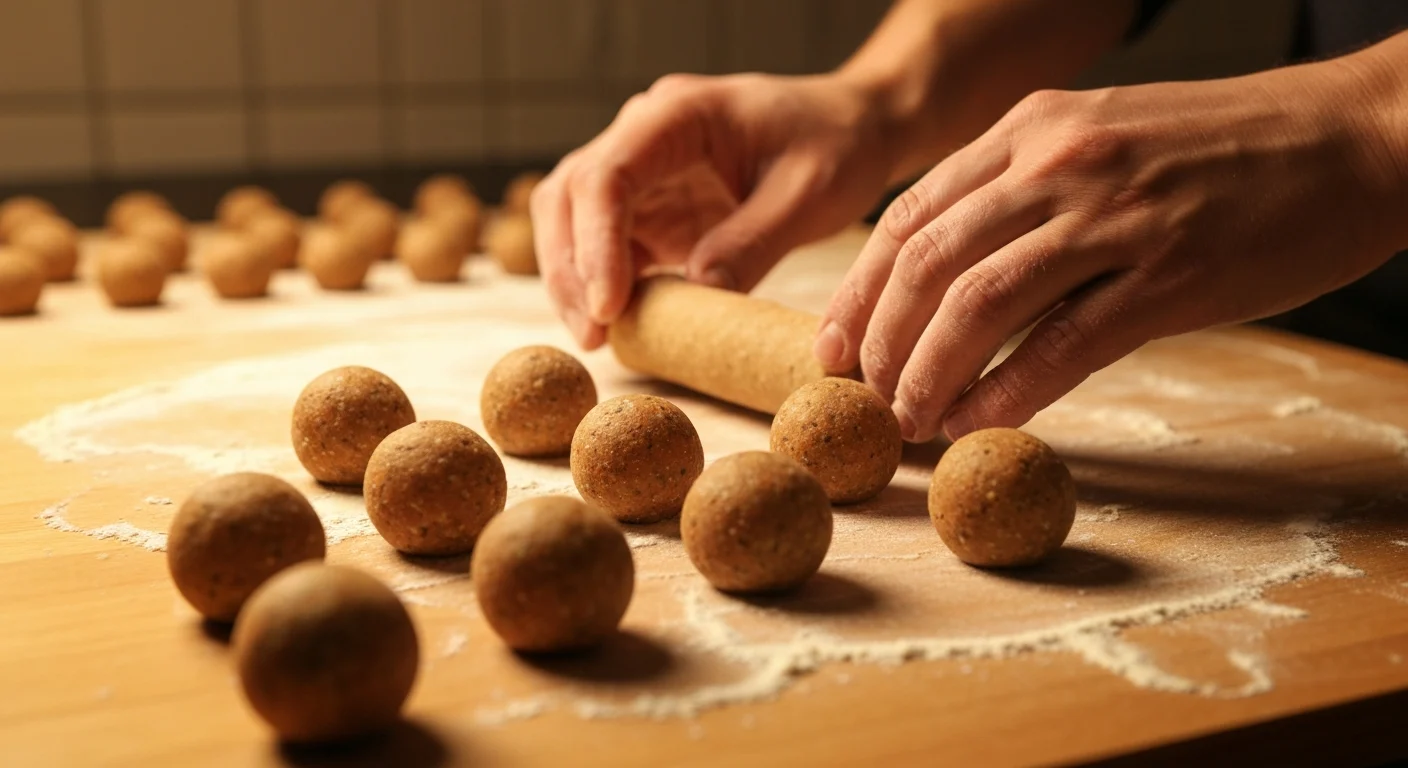
Roll your boilies on a lightly floured work surface. For baits of 18-20mm, aim for the size of a large marble. Uniformity is not critical; even professional carp anglers admit that their homemade boilies often have some irregularities!
Cooking is done in simmering water (not boiling) for 2 to 3 minutes depending on size. The boilies rise to the surface when they are cooked. Drain them immediately and let them dry for a few hours before storage.
Storage: 48h in the refrigerator for immediate use, or freeze in bags of 500g for long-term storage.
Economic fruity boilie recipe
This fruity variant offers an interesting alternative, particularly appreciated in warm weather or on heavily pressured waters where carp are wary of traditional meaty baits.
Fruity mix: ingredients and proportions
The base remains similar but we favour ingredients with softer notes:
- 350g of semolina
- 250g of corn flour (for the golden colour)
- 200g of crushed toast
- 100g of powdered milk
- 100g of grated coconut
- 6 eggs + 1 teaspoon of natural strawberry flavouring
Coconut, found in all supermarkets, adds a unique texture and appreciated natural oils. However, be careful not to exceed the indicated proportions as it can make the dough crumbly.
Personalisation according to the season
In summer, this recipe benefits from being enriched with a tablespoon of honey, which enhances attractiveness and natural preservation. Some experienced carp anglers even add crushed dried fruits – almonds, walnuts – harvested at the end of the season from supermarkets.
Seasonal adaptation can also affect the diameter of your baits: 16mm in spring when the carp start to gently become active, 20-22mm in summer to target the larger fish. To choose the right diameter according to the season and your water body, consult the complete guide on the size of boilies for carp.
Manufacturing techniques and field tips
Essential equipment to get started
Contrary to popular belief, you need very little equipment to get started. A large bowl, a rolling table (or simply a clean work surface), and a sieve are more than sufficient. Specialist bait rolling tables represent a worthwhile investment only if you plan on regular production. If you want to take it to the next level and manufacture in large quantities regularly, check out our bait rolling machines that standardise the rolling process and save considerable time during sessions.
A small tip: always keep some flour in reserve. Sometimes ambient humidity or larger-than-expected eggs can make the dough too soft. Rather than starting all over again, a few spoonfuls of flour can save the day.
Field usage strategies
Homemade boilies behave differently from their commercial counterparts in the field. They tend to break down more quickly in water, which can be advantageous by creating a natural attractant cloud.
For baiting, this characteristic allows you to reduce the amounts: where you would use 2kg of industrial boilies, 1,2kg of homemade production is often sufficient. One carp angler I know saves over 200 euros per season on his big fishing trips by exclusively using his own products.
The trick is to prepare two batches: a sturdier batch for hooking (slightly longer cooking), and a softer one for baiting that breaks down quickly and effectively attracts fish.
Variations and adaptations according to conditions
Seasonal adaptations of mixes
Seasonal adaptation of your homemade recipes allows you to closely align with carp activity throughout the year.
In spring, favour blends rich in easily digestible proteins. Soy flour becomes particularly valuable, possibly complemented by milk powder which dissolves quickly in the still cool waters.
In summer, fruity or spicy recipes work remarkably well. A pinch of paprika or curry in your meat mixes can make all the difference during challenging sessions. Autumn marks a return to tried and tested values: consistent mixes, rich in nutritious flours to prepare carp for winter.
Customisation according to your playing field
Each body of water develops its own specificities. Shallow ponds warm up quickly and favour fruity mixes from May onwards. In contrast, deep lakes retain their winter preferences for meaty baits for longer.
Water quality also influences your choices: rich, fishy waters can tolerate highly nutritious boilies, while poorer environments require more digestible baits made from light flours such as corn or fine semolina.
Don’t hesitate to keep a small notebook of your recipes and results. After a few seasons, you will naturally develop your own “signature” mixes perfectly adapted to your favourite venues. This is where homemade production reveals its full potential: a customisation that’s impossible with shop-bought boilies.