
In brief
- Plant flours form the basis of most boilie mixes, providing volume, carbohydrates, and mechanical properties.
- Animal flours enhance nutritional value and attractiveness due to their high protein and amino acid content.
- Specific flours like hemp or tiger nut allow you to stand out and add a unique olfactory or taste touch.
- Adhering to the recommended dosages is crucial to achieve a homogeneous, digestible paste for fish that is easy to roll.
- The mechanics of the paste determine the good hold of the bait during casting and its dispersion in the water.
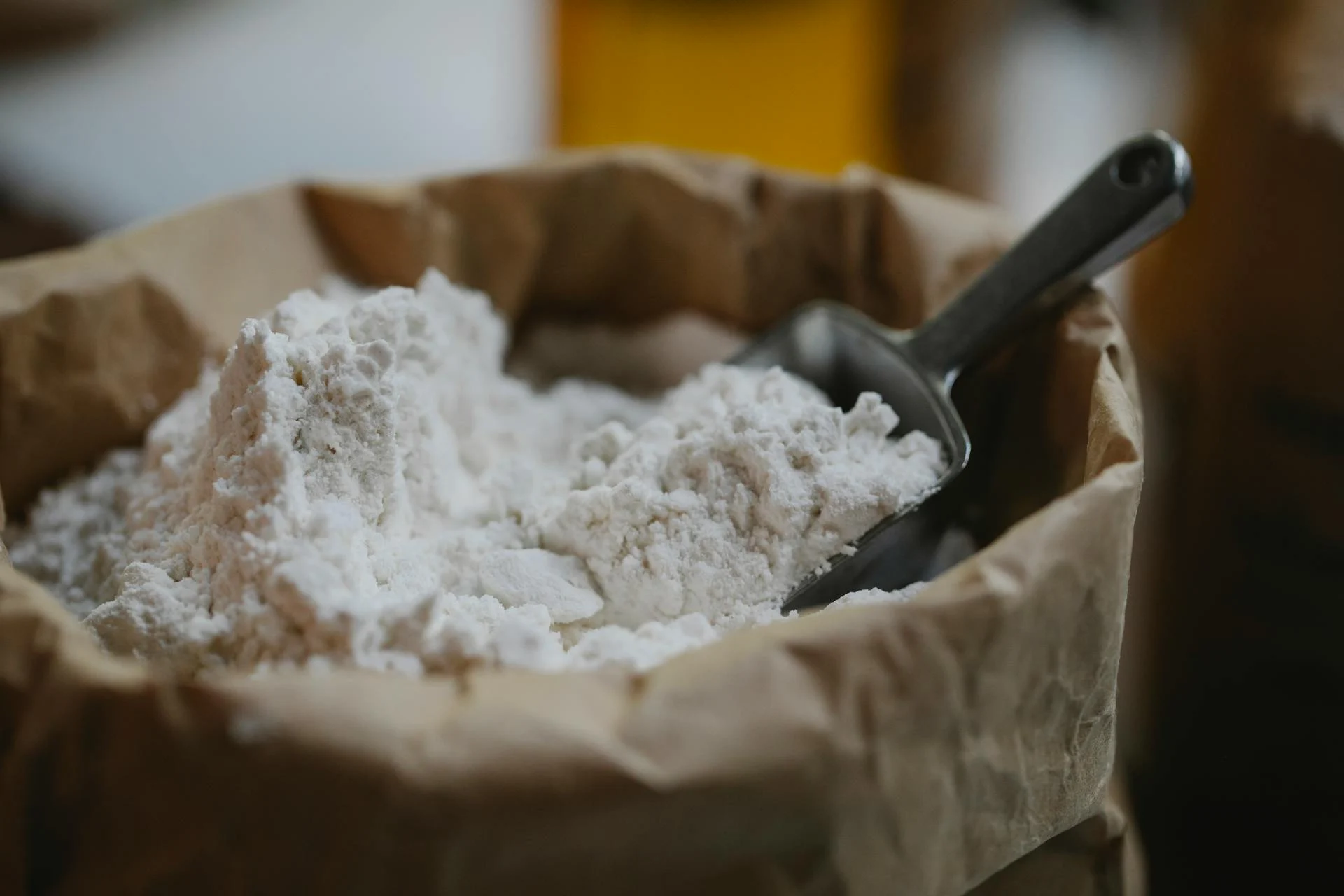
Making homemade boilies is an exciting step that allows you to control the exact composition of the baits offered to carp. The choice of base ingredients is key to the success of your fishing sessions. The flours used not only influence the nutritional value of the boilie but also its texture, digestibility, and ability to release aromas into the water.
To formulate a balanced and attractive mix, it is essential to understand the role of each ingredient. There are a variety of flours on the market, ranging from traditional cereals to highly technical marine extracts. Wisely combining these elements will enable you to create a recipe suited to the season, water temperature, and feeding habits of the target fish.
Essential plant flours for the base of the mix
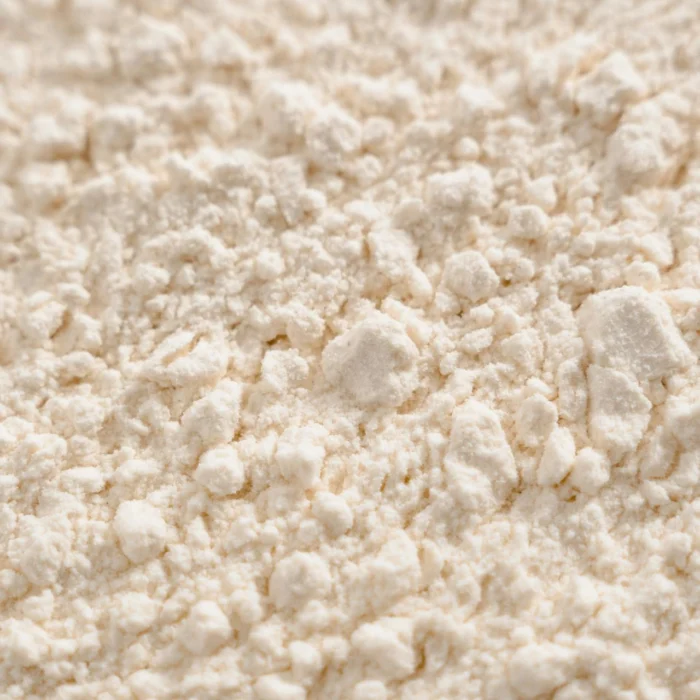
Vegetable flours typically make up the largest proportion in the formulation of a base mix. They provide energy, bulk, and essential mechanical properties for rolling.
The corn flour is an essential ingredient for the creation of almost all mixes. It is highly digestible and offers excellent energy value due to its high carbohydrate content, which nears 70%. Its low cost and hardening ability make it extremely popular for designing dense baits. It is generally advised to incorporate it at a rate of 10 to 40% per kilogram of preparation.
The wheat semolina is an exceptional binding agent that promotes the durability of the boilie. It helps to structure the dough and prevents it from crumbling during shaping. It also provides an interesting texture that facilitates the diffusion of liquid attractants. Its use is often paired with corn to achieve a solid and economical base.
The soy flour is present in the majority of baits available on the market. Whether fatty or roasted, it provides a contribution of plant protein between 35% and 45%, while being highly digestible. Roasted soy has a slight nutty taste that carp appreciate and naturally contains emulsifiers that aid diffusion in water. It can be used up to 40% of the total volume.
The rice flour is very useful for weighting baits and promoting their hardening. Very rich in starches, it allows the creation of hard baits capable of resisting attacks from undesirable fish or crayfish. Its very white colour is also a major asset for capturing dyes and creating visually attractive boilies.
Meat flours to boost nutritional value
To enhance the attractiveness of your baits, especially when carp are seeking a rich diet, animal origin flours are formidable. They provide a very complete amino acid profile.
The classic fishmeal is a source of highly digestible proteins that has proven itself for decades. Specific variants such as LT94 meal, which is heat-treated at low temperatures, maintain exceptional nutritional quality. These meals make a strong olfactory mark on the mix and send a strong food signal to the carp, indicating an abundant food source.
The squid and krill meals are top-notch attractants to stand out from traditional baits. Krill, a small marine crustacean, is exceptionally rich in fatty acids and has a very pronounced scent that easily penetrates water layers. Squid meal, on the other hand, offers a very persistent salty and meaty taste, perfect for long baiting campaigns.
Specific and original meals to refine the recipe
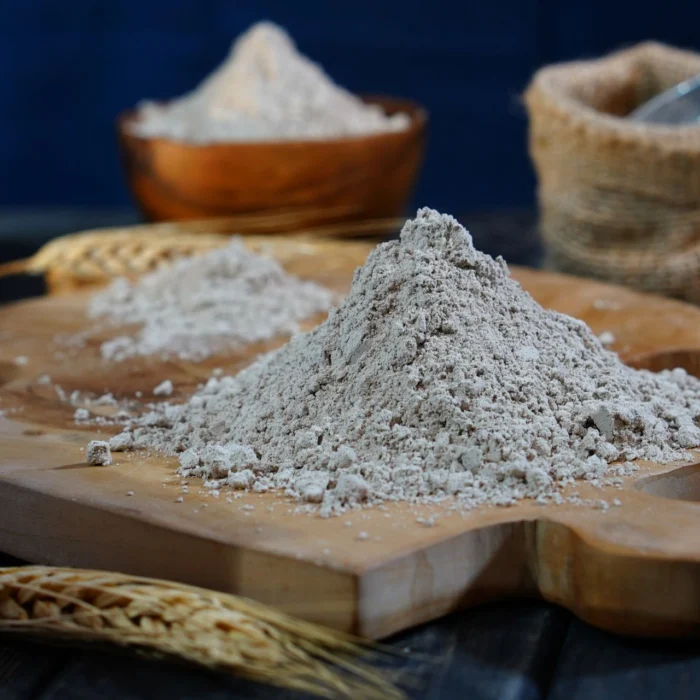
The integration of less conventional ingredients allows for recipe personalisation and meets specific needs in terms of taste, texture, or diffusion.
The roasted hemp meal has a formidable addictive quality on cyprinids. Rich in fatty acids and fibres, it makes the mix more digestible and promotes excellent aroma diffusion, even in cold water. Its medium grain size helps break the density of the boilie, making it more porous. It is generally integrated between 10% and 15% in the recipe.
The tigernut meal is irresistible thanks to its sweet taste and its richness in carbohydrates. Obtained by simple grinding, it promotes the digestion of other foods and significantly boosts the taste of fruity aromas. It is very effective for both quick fishing and long-term feeding campaigns.
The chickpea flour provides an excellent vitamin supplement. and minerals. This digestible legume contains about 27% of carbohydrates and nearly 9% of proteins. However, it has a strong sticky property and can give a rubbery consistency to the dough. Therefore, it is recommended not to exceed 20% of the mixture, otherwise rolling may become difficult.
The mechanics of the dough and mix preparation
The choice of flours is not only about nutrition; it directly impacts the mechanics of the dough. A good boilie needs to be sufficiently bound to withstand casting and immersion, while remaining porous enough to release its attractants. The balance between sticky flours like wheat or chickpeas and lighter ingredients like hemp seed or bird food is fundamental.
When mixing, it is advisable to proceed in steps by sifting the dry ingredients to avoid lumps. The addition of eggs, which serve as the main binder, and attractive liquids should be done gradually until an elastic, non-sticky consistency is achieved. To turn this dough into regular balls, using suitable equipment is essential. Investing in specialized tools, such as our boilie machines, ensures perfect uniformity of baits and a considerable time saving during production.
Optimising production for large quantities
Anglers undertaking long sessions or conducting massive baiting need to produce large quantities of bait quickly. Rolling dozens of kilos by hand quickly becomes exhausting and counterproductive. In this context, the consistency of the mix must be perfectly calibrated to slide smoothly through mechanical systems. Adding a small amount of vegetable oil can help the dough pass through and prevent tearing.
For these industrial needs on a craft scale, automation is key. Using motorized equipment completely transforms the manufacturing experience. The use of our electric boilie machine allows you to achieve high production rates while reducing physical effort, thereby ensuring a constant supply of fresh, uniform baits for your fishing seasons.
Practical solutions for starting home rolling
For anglers looking to get started with making their own baits or who have more modest needs, there’s no need to immediately invest in complex systems. Starting with small volumes allows you to test different recipes and adjust the percentages of flours without risking waste of kilos of ingredients. It’s the perfect opportunity to experiment with adding spices, liver powders, or specific emulsifiers.
Preparing small batches requires simple, sturdy, and easy-to-maintain equipment. A simple extrusion gun combined with our manual bait machine is an excellent entry point. This equipment allows you to get familiar with the ideal texture of the dough, to master the cooking time, and to understand the interaction between different vegetable and animal-based flours.